

The First Decoys
Duck decoys have a rich history dating back thousands of years, originating with Indigenous people who crafted them from reeds and wood to attract waterfowl for hunting. By the 19th century, market hunters popularized more specialized decoys, often hand-carved and painted. The introduction of durable materials like plastic in the 20th century revolutionized decoy production, making them more accessible. Today, duck decoys remain essential tools for conservation and sport hunting.
Keep On Carving. griffin duck don
Duck Decoys in Thousand Islands, Gananoque, Ont, Perth, Smith Falls, Kingston, Brockville, and surrounding areas
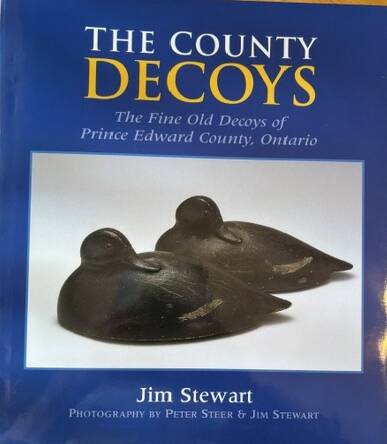
The book called Decoys of the Thousand Islands tells it all by Jim Stewart and Larry Lunman, with photography by Peter Steer, published in 1994. This is one of the best decoy books ever.


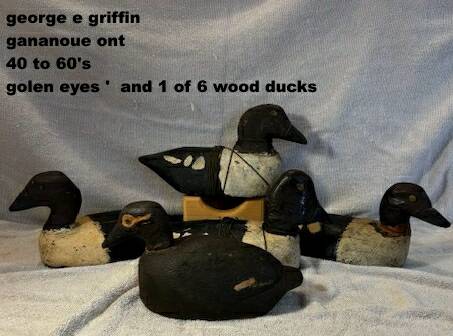

Basic
We offer a range of specialized services tailored to meet your individual needs.

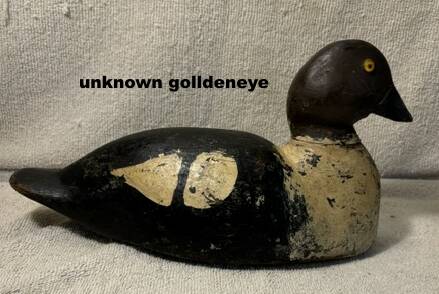
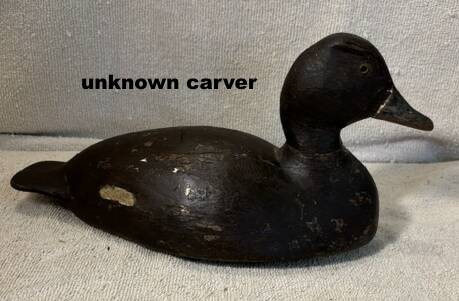
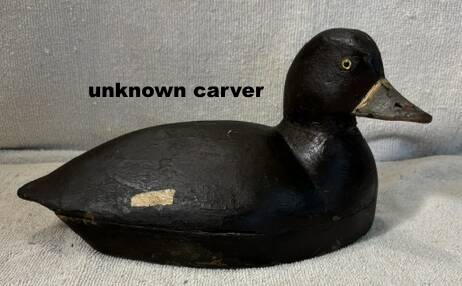
Old Unknown Decoys
Real old duck decoys Dad had in his flock for hunting; he had a ton of them, sold a pile for 2 dollars a piece, that's when he started carving to replace the ones he sold. What would they be worth today, not 2 dollars?
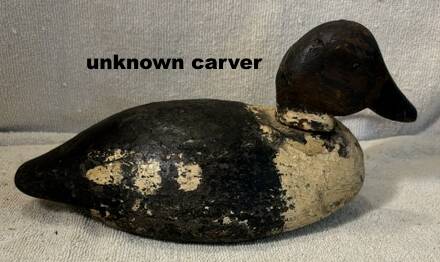

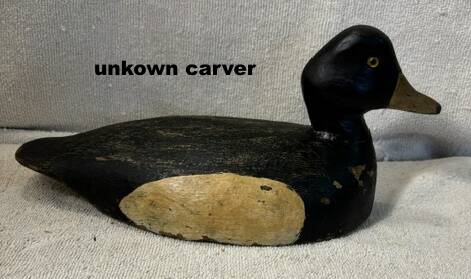

Who Made These Decoys
Carver of duck decoys, sign, date your carvings so people know who you are and for the history of all these great birds. These unknowns all have a story to tell. Does anybody recognize these old decoys?
Gananoque Ont. Duck Decoy Carvers along the St. Lawrence River
Gananoque, Ont. is known for its scenic waterways, historic character, and close connection to the St. Lawrence River, yet beyond its famous islands and boating culture lies another fascinating tradition. The work of local duck decoy carvers for generations, these skilled craftspeople shaped blocks of wood into lifelike birds, combining practical hunting tools to make distinctive folk art. This network of waterways provides ideal habitat for migrating and local birds. In the Thousand Islands region, quiet bays, marshy edges, and sheltered inlets attract many birds during the changing seasons. Wood ducks, in particular, have long been plentiful in this area
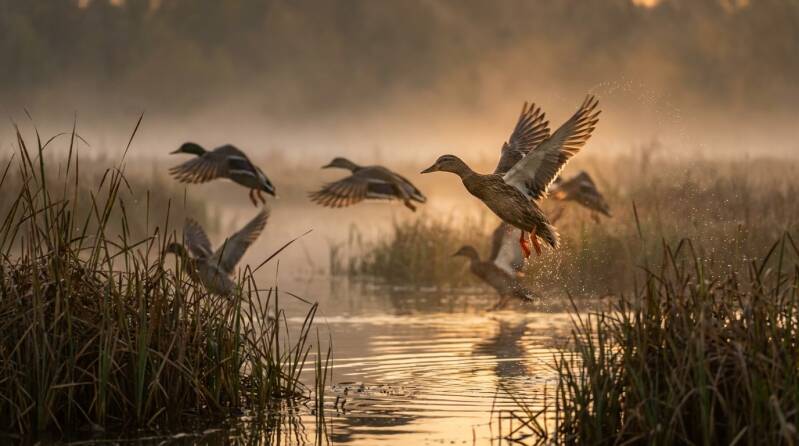

A Landscape Made for Waterfowl
The town sits near the meeting of the Gan River and Gan Lake and the St. Lawrence River. Years ago, late fall hunting was an important part of rural life around Gananoque. Hunters depended on handmade decoys to bring birds within range. Carvers from this area developed styles suited to the waters they knew best. Local stories sometimes describe exceptional carvers as legends, particularly those whose work was instantly recognizable. The Griffins and other families connected with the area are remembered in accounts of regional craftsmanship, although many individual artists remain less documented than their work deserves.
What we do
We offer a range of specialized services tailored to meet your individual needs. Our approach is focused on understanding and responding to what you require, providing effective and practical solutions.

Create Your Own Website With Webador